
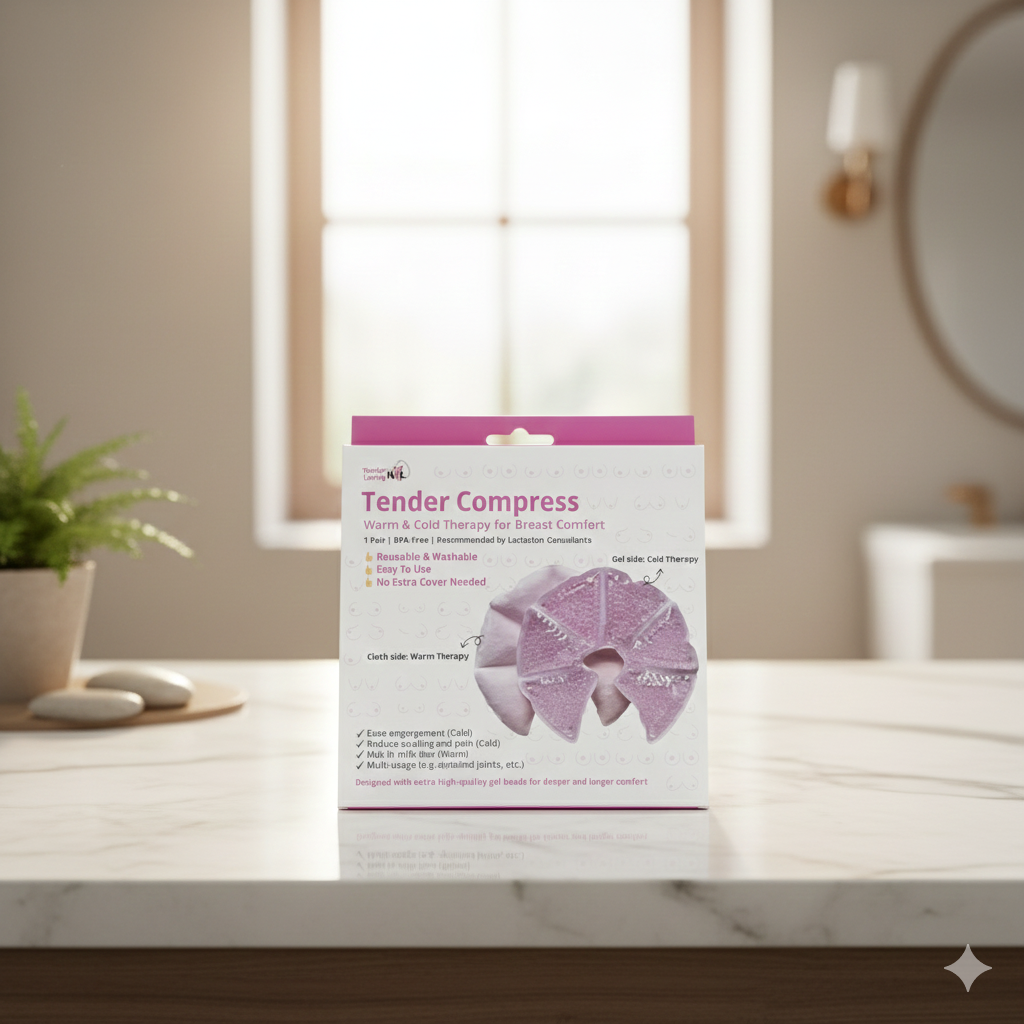
Tender Compress is thoughtfully designed to help breastfeeding and pumping mums manage breast pain, engorgement, swelling, and clogged ducts, using heat and cold therapy.
Whether you’re newly postpartum, exclusively pumping, or preparing to wean, this reusable breast compress supports you through every stage of your breastfeeding journey.
Reusable Hot & Cold Breast Compress for Breastfeeding Mums in Singapore
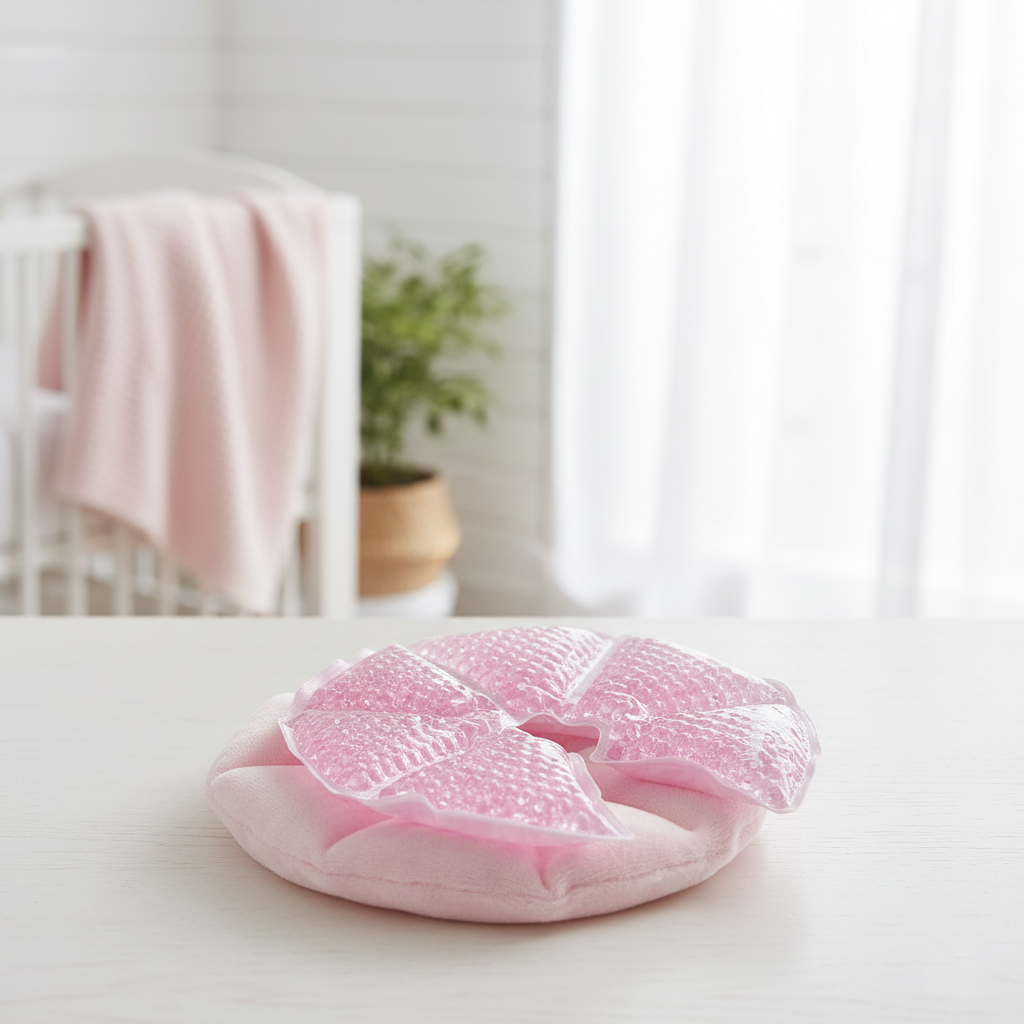
Why Breast Compresses Are Essential for Breastfeeding
Breastfeeding is natural, but that doesn’t mean it’s always comfortable. In the early postpartum weeks and during changes in feeding or pumping routines, many breastfeeding mums experience physical challenges as their bodies adjust to milk production and demand, or when going through any milk supply transitions.
Common breastfeeding discomforts include:
Breast engorgement, where breasts feel overly full, tight, or heavy
Tender or painful breasts, especially after missed feeds or pumping sessions
Blocked or plugged ducts, which can feel like sore lumps and worsen if not managed early
Discomfort during milk let-down, pumping, or when milk flow feels slow or uneven
Without proper care, these issues can escalate, affecting milk removal, comfort, and overall breastfeeding confidence.
Dual-Sided Design for Smart, Targeted Relief
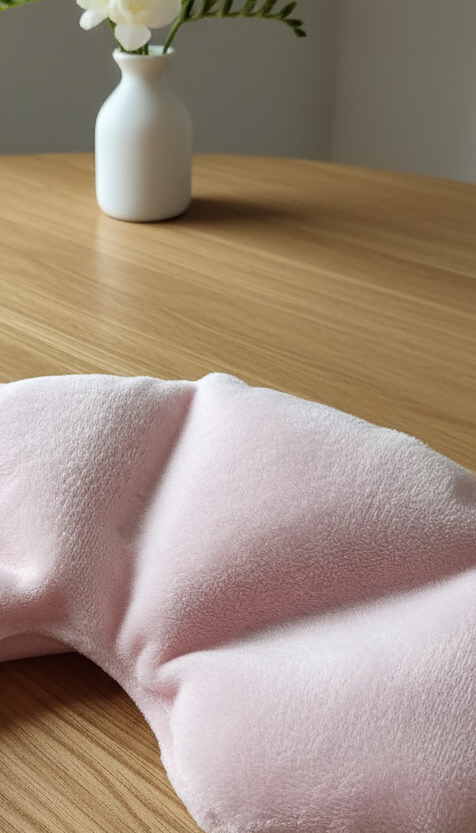
🩷 Warm Compress (Cloth Side)
Encourage milk flow
Support let-down before breastfeeding or pumping
Warm therapy helps relax breast tissue and supports more comfortable feeding or pumping sessions.
IBCLC tip: Do note that warm compress is optional and it is not a must for all mothers.
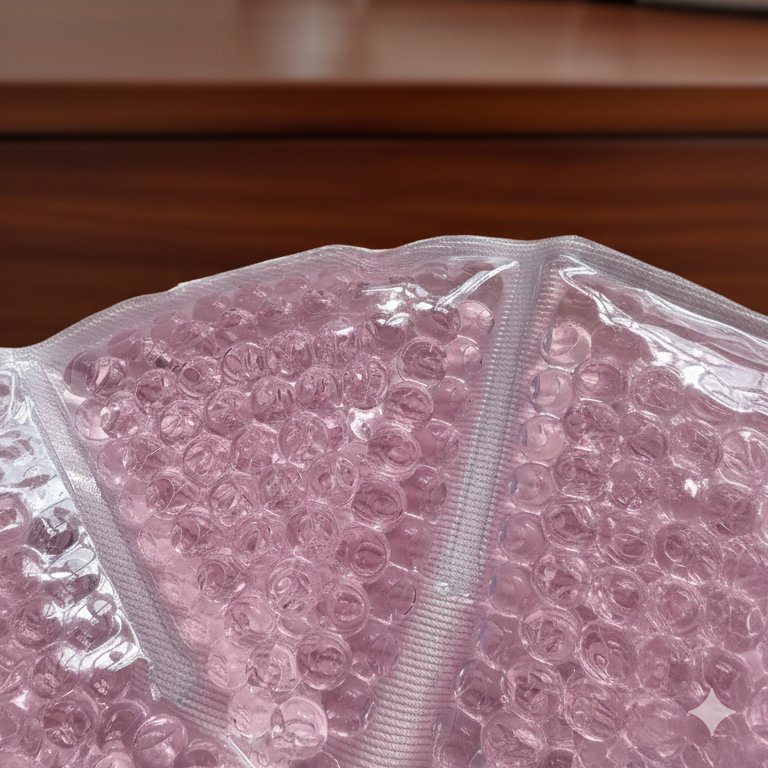
❄️ Cold Compress (Gel Side)
Reduce swelling and inflammation
Relieve breast pain and tenderness
Soothe discomfort from engorgement, clogged ducts, or mastitis symptoms
Cold therapy is especially helpful after feeds or pumping, or when breasts feel swollen and sore.
Designed with Comfort & Safety in Mind
Breast compresses are more than just convenient; they play an important role in evidence-based postpartum breast care. Research and clinical practice support the use of hot and cold therapy to help manage discomfort, inflammation, and engorgement associated with breastfeeding.
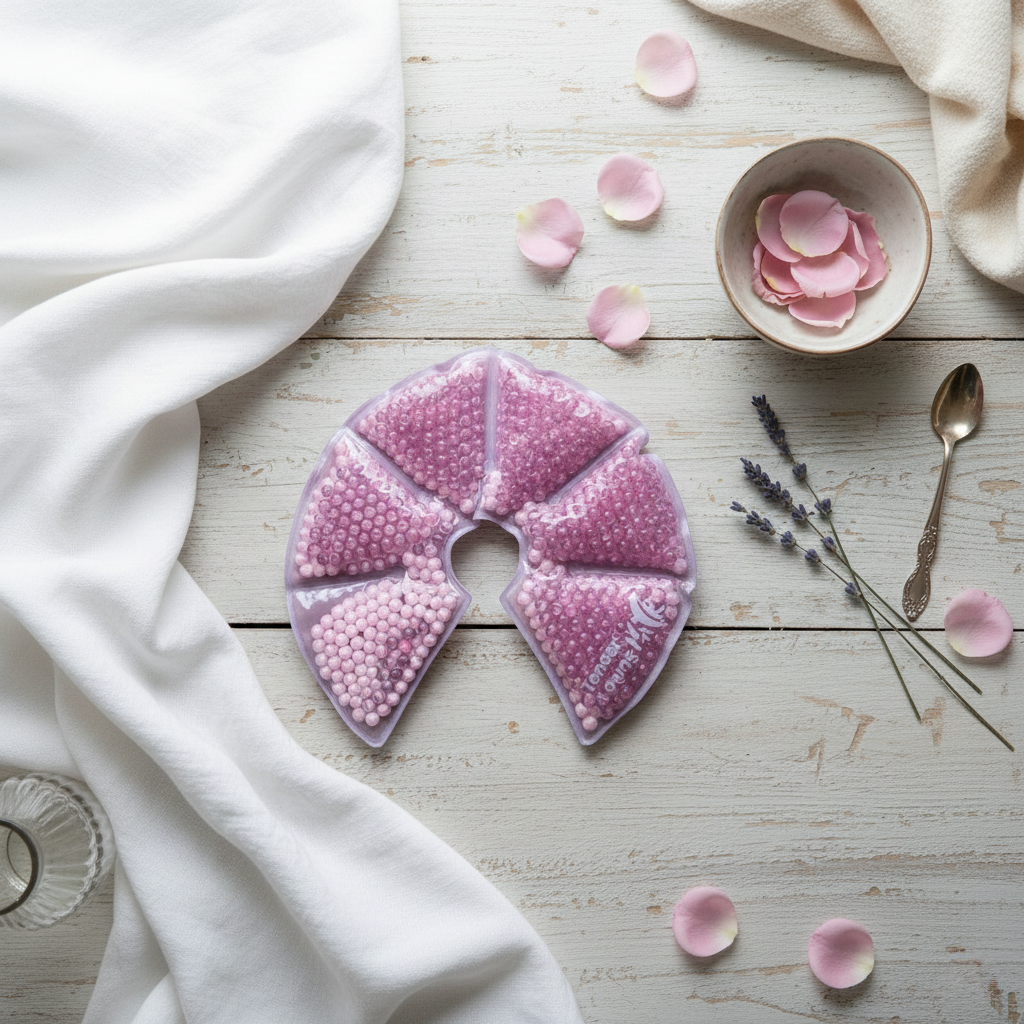
Image for illustration purposes only
Premium Gel Beads: Longer-Lasting Relief!
Premium gel beads retain temperature longer than traditional hot water bottles or ice packs, helping maintain an effective therapeutic temperature without frequent reheating or refreezing. Gel packs provide consistent, even coverage across the breast area, which helps reduce swelling and pain more effectively.
No Extra Cover Needed, Apply with Confidence
Many compresses require additional wraps or cloth covers to prevent skin irritation, but our design eliminates that step. The soft outer fabric is safe for direct contact, making it easier to use whenever discomfort strikes, at home, at work, or between feeds.
Soft Outer Layer: Gentle on Sensitive Skin
Postpartum breasts can be extra sensitive due to engorgement and/or nipple soreness. A soft outer layer protects delicate skin from irritation while still delivering effective therapy. Unlike rough or abrasive materials, a gentle surface supports longer wear, which many lactation consultants recommend for routine relief and comfort.
🧪 BPA-Free & Safe for Regular Use
The compresses are BPA-free and non-toxic, offering peace of mind for mums who want products free from harmful chemicals. BPA-free materials are widely recommended in medical-grade products to reduce exposure to plasticizers and potential health risks.
👩⚕️ Recommended by Lactation Consultants
Healthcare providers and lactation consultants commonly recommend hot and cold therapy as part of non-pharmacological breast care for engorgement and discomfort. A study showed that cold compresses significantly reduced engorgement and pain, supporting their use as a first-line comfort measure in breastfeeding care.
Product Unboxing & First Look
A simple, transparent unboxing of Tender Compress, from the packaging box to taking out the compress and showing its actual size, shape, and texture.
See how it is a well-made and thoughtfully designed breastfeeding product, not a generic gel pack!
Designed by a local IBCLC who is also a mother of 3!
Why Cold Compresses Are Recommended, and Cabbage Leaves Are No Longer First Choice
For many years, chilled cabbage leaves were commonly suggested for breast engorgement and mastitis. However, updated clinical guidance has shifted away from recommending cabbage leaves, especially as a routine or first-line option.
According to ABM Clinical Protocol #36: The Mastitis Spectrum, modern lactation care focuses on reducing inflammation safely and predictably, without introducing unnecessary risks to the breast tissue or milk supply.
Why Cold Therapy Is Still Recommended
The ABM mastitis protocol supports the use of cold therapy because it:
Reduces inflammation and swelling
Helps ease breast pain and tenderness
Supports comfort without overstimulating milk production
It is safe, controlled, and repeatable
Cold compresses work by temporarily constricting blood vessels, which can reduce tissue edema and inflammatory response, especially helpful for engorgement, ductal inflammation, and mastitis-related discomfort.
Why Cabbage Leaves Are No Longer Routinely Recommended
ABM Protocol #36 highlights several concerns:
❌ Lack of Temperature Control - Unlike gel compresses, cabbage leaves can:
Warm up quickly
Do not provide consistent or controlled cold therapy
May require frequent replacement, increasing handling, and skin contact
❌ Hygiene & Skin Risks - Cabbage leaves are not sterile and may:
Introduce bacteria to cracked or sensitive skin
Increase risk of skin irritation or infection
It is unsuitable for mums with broken skin or nipple trauma
ABM emphasises reducing additional breast stressors, including unnecessary manipulation or exposure, during mastitis and inflammatory conditions.
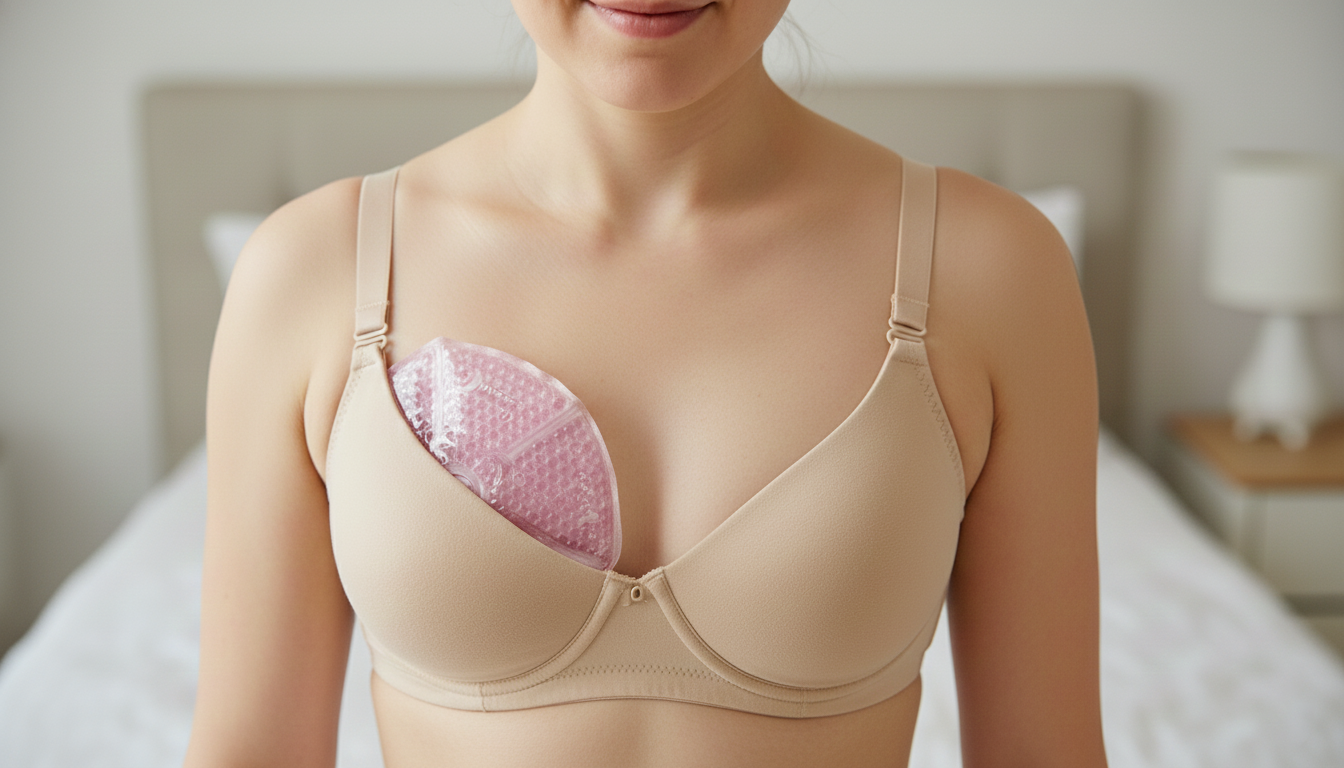
Modern lactation guidance favours clean, reusable cold compresses because they offer:
Controlled and consistent temperature therapy
Predictable effects on inflammation and comfort
Better hygiene for repeated use
No risk of unintended milk suppression
This aligns with ABM’s recommendation to focus on inflammation management, not aggressive interventions that may worsen symptoms.
Thicker Than Other Brands (20% MORE Gel Beads)
A visual comparison showing that Tender Compress is thicker than many other breast compresses available on the market.
Why thickness matters:
Thicker gel helps retain heat and cold longer
Provides more even and consistent temperature distribution
Reduces the need for frequent reheating or refreezing especially helpful during long days or night feeds
Thoughtfully designed by a breastfeeding mum and she is also an IBCLC.
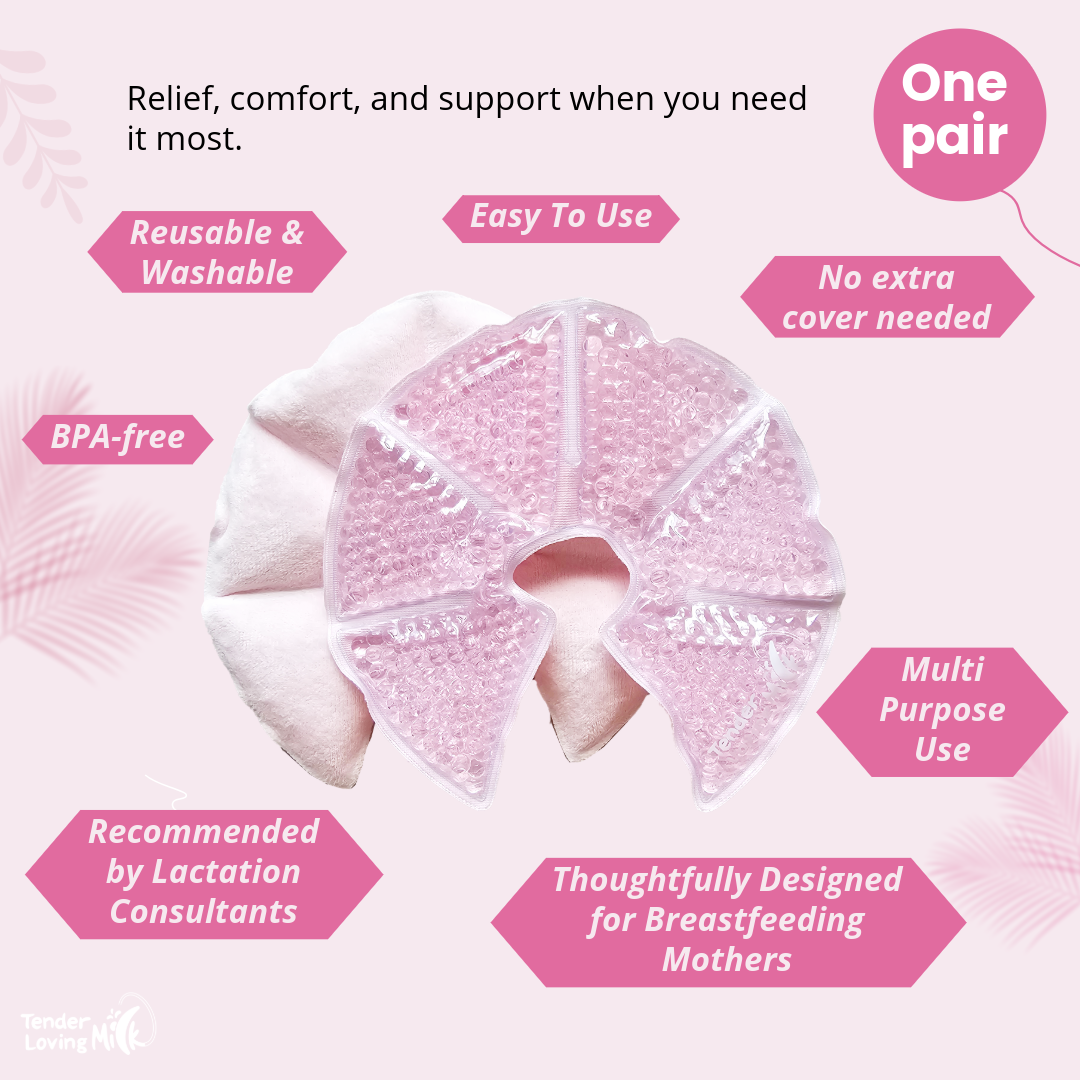
Quantity: 2 pieces of breast compress
Storage: Cool, dry place or in the fridge
Freezer-safe: Can be stored in the freezer for about 30 to 45 minutes before using
Premium gel beads: Includes about 20% more gel beads than other brands, so the cold can last longer
Product Details
5 stars review by mothers in Singapore
“My breasts was having some swelling and I was in pain. This breast compress is nice and it is very easily provided by swollen breasts relief.”
— Mama C.“I never knew a breast compress could have this 2-in-1 feature (warm and cold) just by flipping to the opposite side! Very convenient, especially for a third-time mother!”
— Mama K.“This Tender Compress really does feel heavier than other brands that I’ve tried before. The cold lasted longer as well!”
— Mama H.
Locally Designed Product
Singapore-based
“I created Tender Compress because I saw too many mums struggling through breast pain, engorgement, and blocked ducts without gentle, evidence-based support.
This compress is designed the way I recommend to my own clients: cold to calm inflammation, warm (optional) to support milk flow, and soft enough to use on sensitive postpartum skin.”
- Eliza, IBCLC and Founder of Tender Loving Milk
Recommended by Lactation Consultants Worldwide
Lactation consultants, including IBCLCs, commonly recommend hot and cold breast compresses as part of standard breastfeeding care. They are:
Safe for regular use
Suitable for breastfeeding, pumping, and weaning stages
Helpful for preventing minor issues from becoming bigger problems
Because compresses work naturally with the body’s physiology, they are especially useful for mums who prefer drug-free relief during postpartum recovery.
How to Use Tender Compress
Warm Compress
Microwave for 10–15 seconds
For more warmth, heat in 5-second intervals
Always test the temperature with the back of your hand
Apply the cloth side to the breast
No microwave? You can steam it for 2 to 3 minutes
Cold Compress
Refrigerate for 30–60 minutes, or
Freeze for about 30 minutes
Apply gel side to the breast for instant cooling relief
Care Instructions
Clean gently with mild soap or alcohol wipes
Keep dry and store in a cool place
❌ Do not boil
❌ Do not machine wash
❌ Do not soak for extended periods
Noticed Uneven Gel Beads?
You may notice gel beads appearing uneven in some sections of the compress. This is normal. Simply gently massage or move the beads around to redistribute them evenly before use.
-
Warm compresses can help soften the area before feeding or pumping, while cold compresses can reduce pain and inflammation afterward.
-
Cold compresses are helpful for engorgement, swelling, pain, or inflammation, especially after feeds or pumping sessions.
-
Yes. When used as directed, this reusable breast compress is safe for regular use during breastfeeding, pumping, or weaning.
-
Apply for 10–20 minutes per session. Always check skin comfort and avoid falling asleep while using the compress.
-
Yes. Many users also use it for sore muscles, joint pain, sprains, or menstrual cramps.
-
Breastfeeding mums, pumping mums, mums experiencing engorgement or clogged ducts, and those preparing for weaning.