
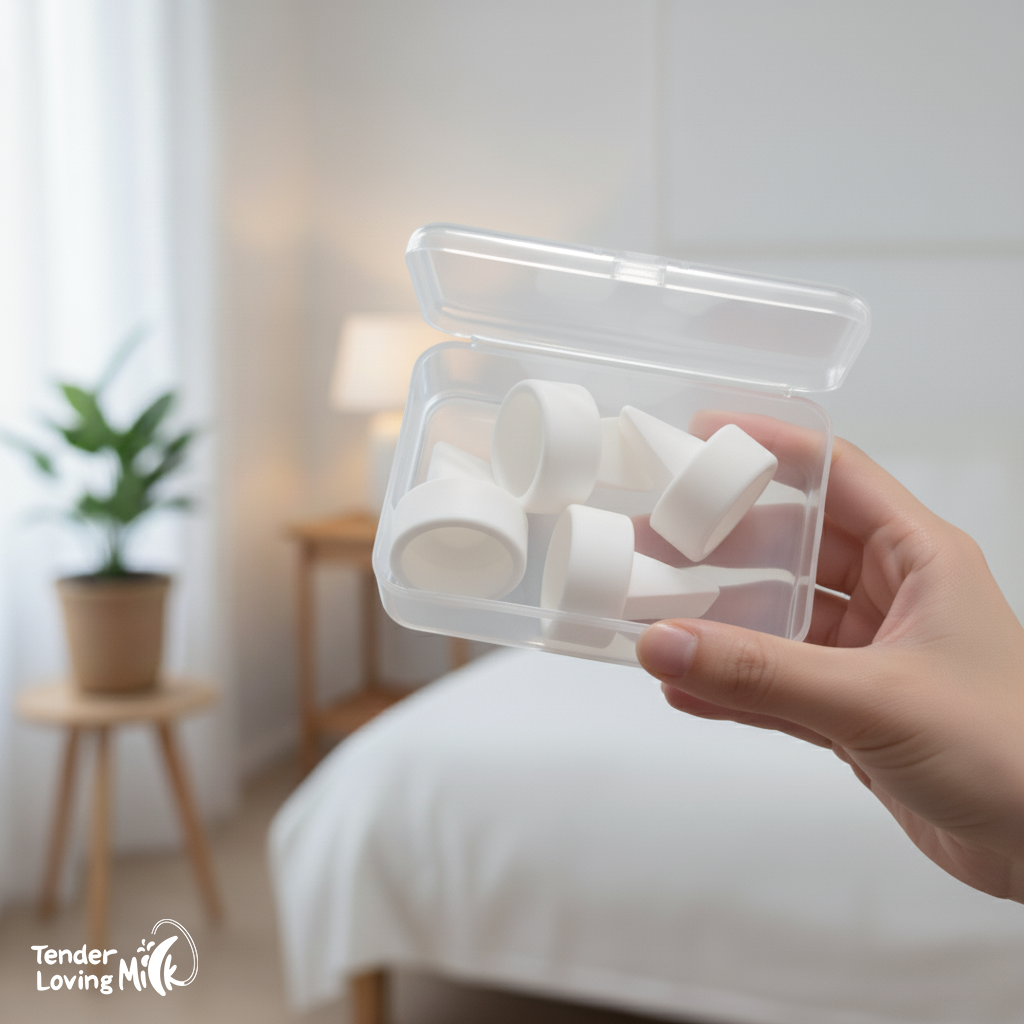
Pack of 4 | BPA-Free | High-Quality Food-Grade Silicone
SGD 13.50
Promo: SGD12.90
Tender Silicone Duckbill Valve (Pack of 4) | Spectra-Compatible
Ensure Strong Pump Suction & Optimal Milk Flow with Tender Duckbill Valves
Hormonal changes, pumping frequency, and postpartum stage can cause nipple diameter to change over time. Many mothers benefit from having 1–2 backup sizes to rotate as needed.
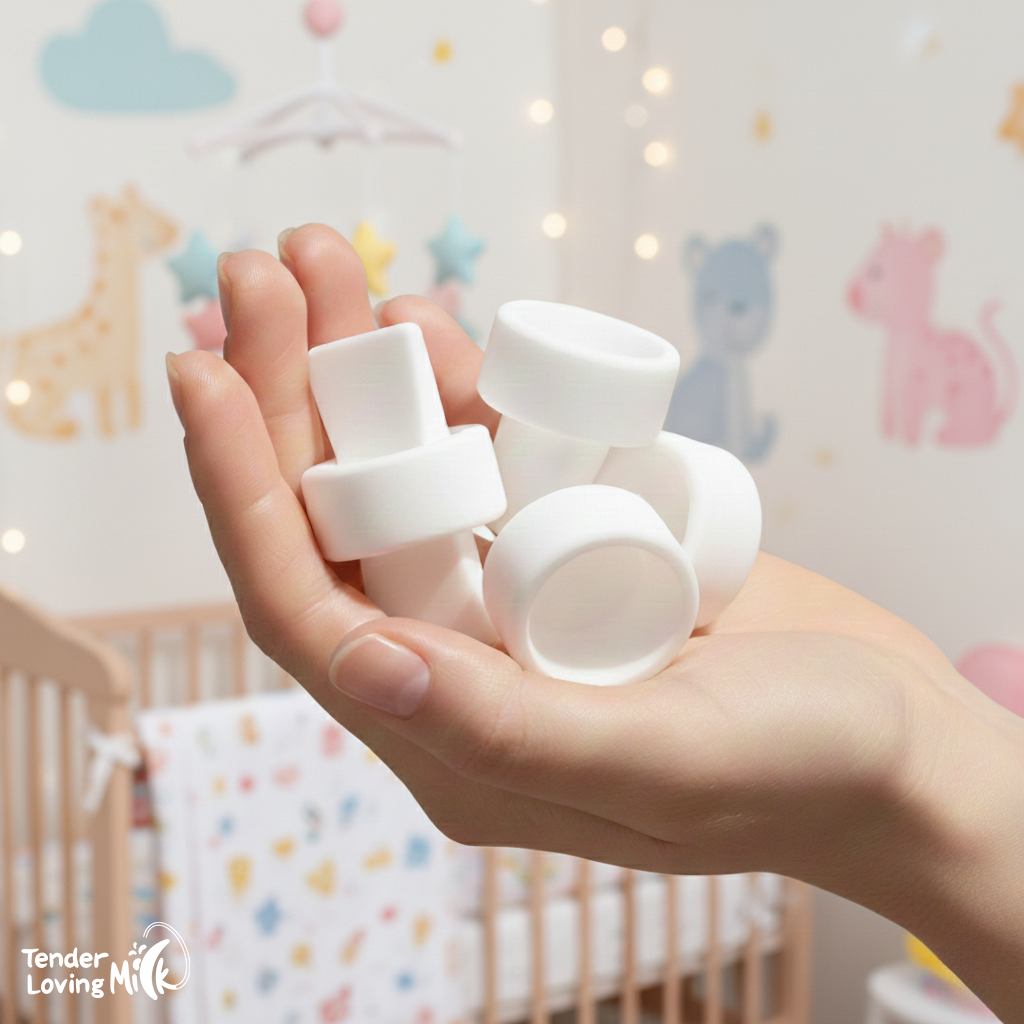
Unboxing and first look
Maintain your milk supply and pumping efficiency with the Tender Silicone Duckbill Valve, a critical component for Spectra breast pumps. Torn or worn duckbills can significantly reduce suction strength, compromise milk output, and make pumping less effective. Regular replacement ensures smooth, efficient, and comfortable pumping.
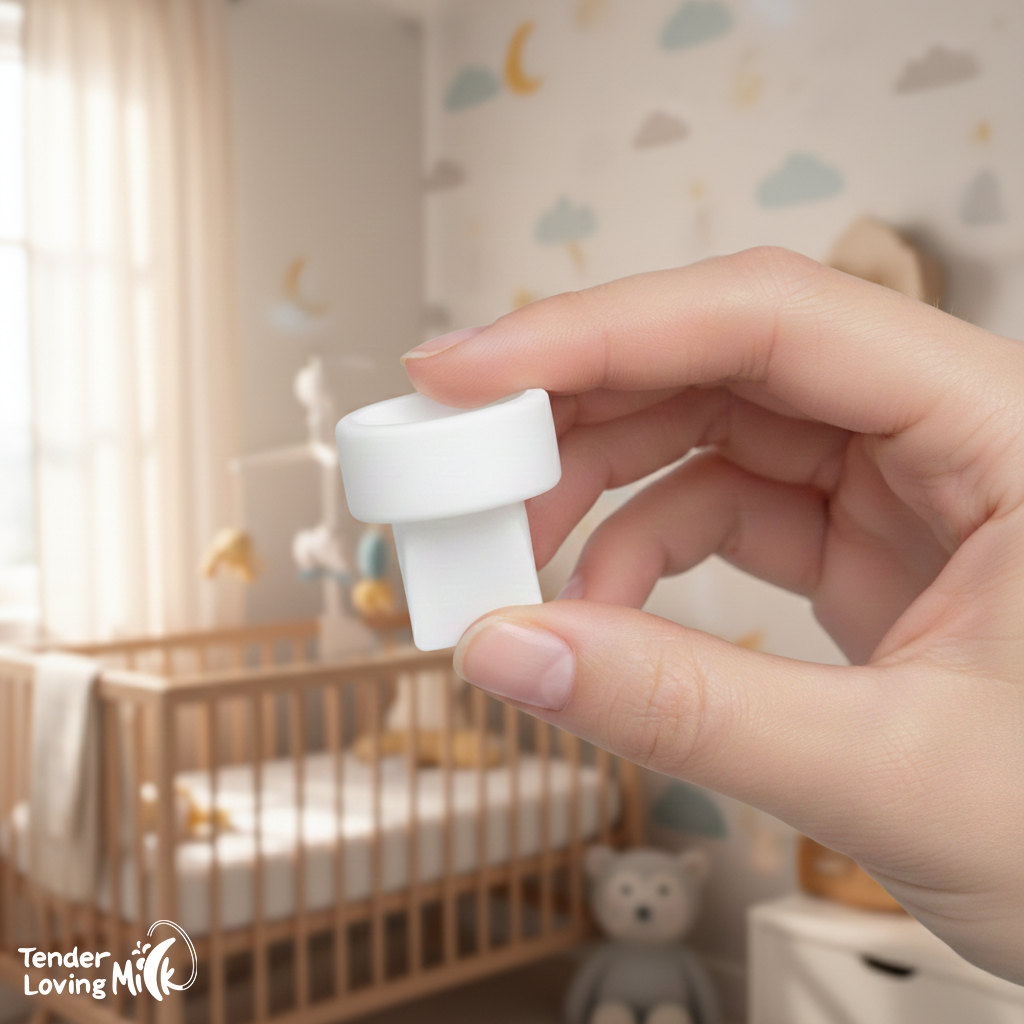
Why Regular Replacement Matters
-
When a duckbill valve is worn or stretched:
The pump cannot create or maintain consistent suction, lowering the negative pressure needed for efficient milk removal.
Milk may not flow smoothly into the collection bottle, increasing pumping time and making sessions less efficient.
You may think your milk supply has dropped, when the issue is actually part wear, not your body’s ability to produce milk.
Even small changes, such as a duckbill that doesn’t seat tightly or closes slowly, can reduce suction strength and affect output.
Regular inspection and replacement help prevent these subtle performance declines.
-
There isn’t one universal timeframe that fits everyone because wear depends on how often you pump and how you care for parts, but a range is widely recommended by pump care experts and lactation resource guides:
Exclusive Pumpers (multiple sessions daily): Often replace duckbills every 1–2 months. Some experts recommend checking as frequently as every 2–4 weeks for very heavy use.
Moderate Use (1–4 sessions daily): Duckbills may last every 2–4 months before replacement is needed.
Occasional Use: If you pump less frequently, valves might last longer but should still be inspected regularly and replaced at first signs of wear.
⚠️ Replace Immediately if:
You notice reduced suction, obvious tears, cracks, or floppiness.
Milk flow slows or your pumping sessions take noticeably longer without a change in settings or flange fit.
-
Because visual wear can be subtle, keeping spare duckbills on hand means you can quickly swap them out at the first sign of performance change, rather than experiencing multiple ineffective pumping sessions.
Quick replacement helps maintain both efficiency and comfort, and reduces frustration while protecting your milk output.
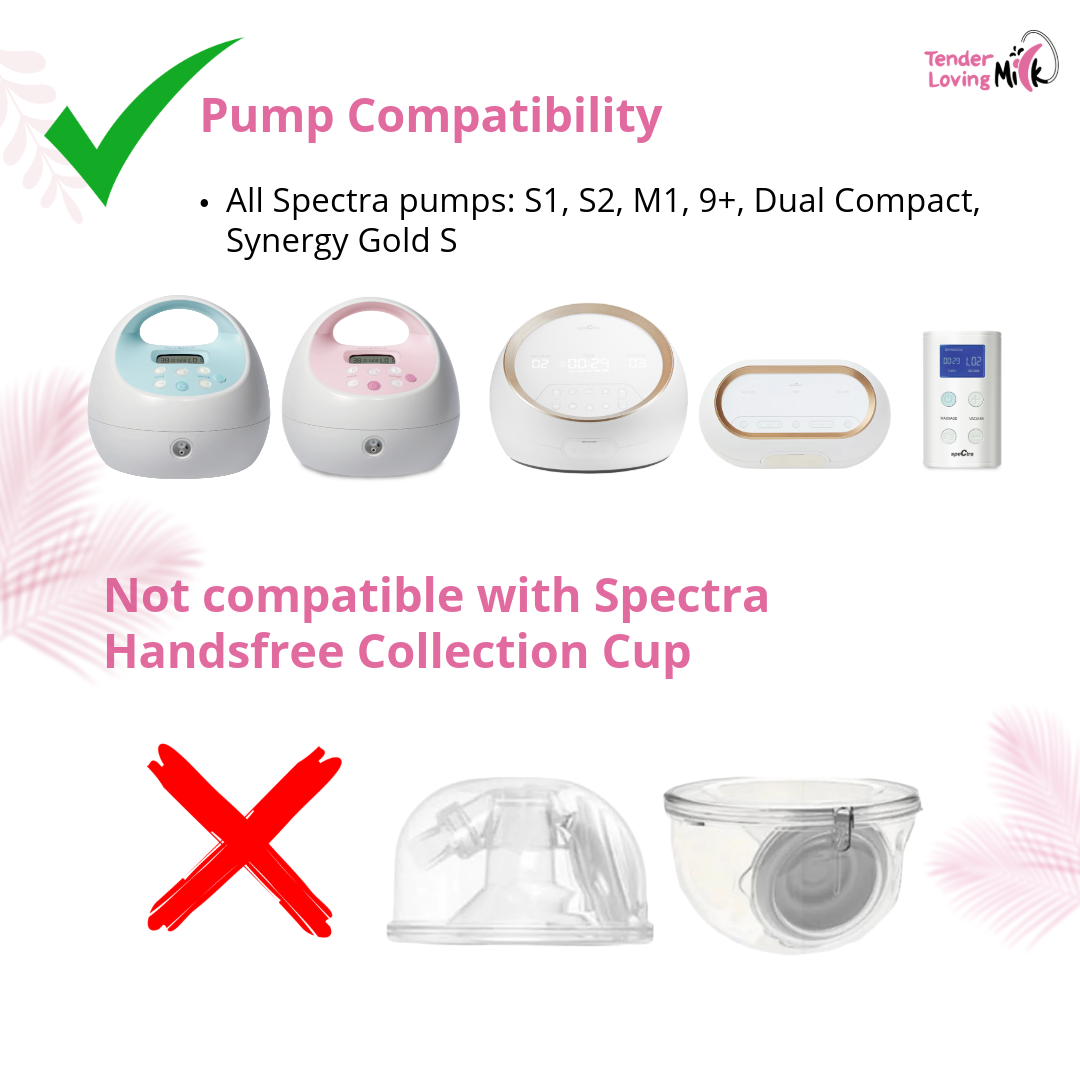
Spectra: S1+, S2+, 9+, M1
Spectra Dual: Dual S, Dual Compact
❌ Not compatible with Spectra Handsfree Collection Cup (watch a short video here)
Compatible Models
Important: Always verify compatibility with your pump model before use.
To ensure longevity and optimal performance:
Fit properly: Ensure the duckbill sits snugly at the base of the breastshield.
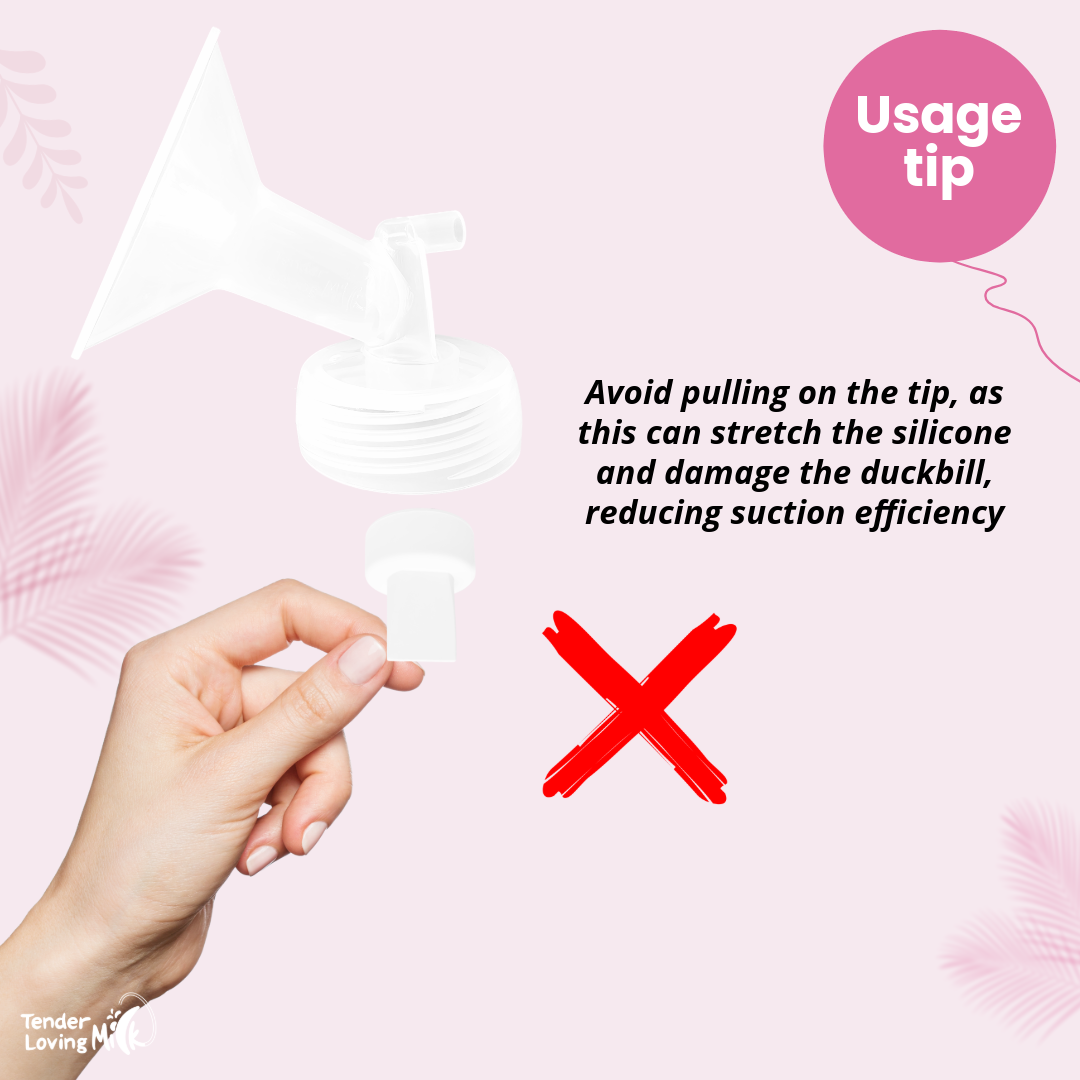
Remove safely: Always hold the base when removing the duckbill. Do NOT pull the thinnest tip, as this can stretch or tear the silicone.
Cleaning:
Rinse thoroughly after each use
Air-dry completely
Do NOT use straw brushes, dishwashers, or microwaves (these can damage the silicone)
Sterilisation: Steam or UV steriliser recommended; avoid high-heat methods that may warp the valve.
Inspect regularly: Any signs of tearing, stiffness, or reduced elasticity indicate replacement is needed.
Usage & Care Instructions
Educational Tips for Pump Suction & Setup
Check your pump assembly: Worn tubing, connectors, or backflow protectors can also reduce suction.
Assemble correctly: Ensure valves, flanges, and connectors fit snugly to maintain optimal suction.
Gentle priming: Before starting, pump for a few seconds to draw the breast tissue into the flange comfortably.
Regular maintenance: Rotating valves and tubing ensures consistent suction and protects your milk supply.
A well-maintained valve and proper pump setup can improve pumping efficiency by 20–30%, according to clinical experience.
Maintaining spare duckbill valves is essential for uninterrupted pumping.
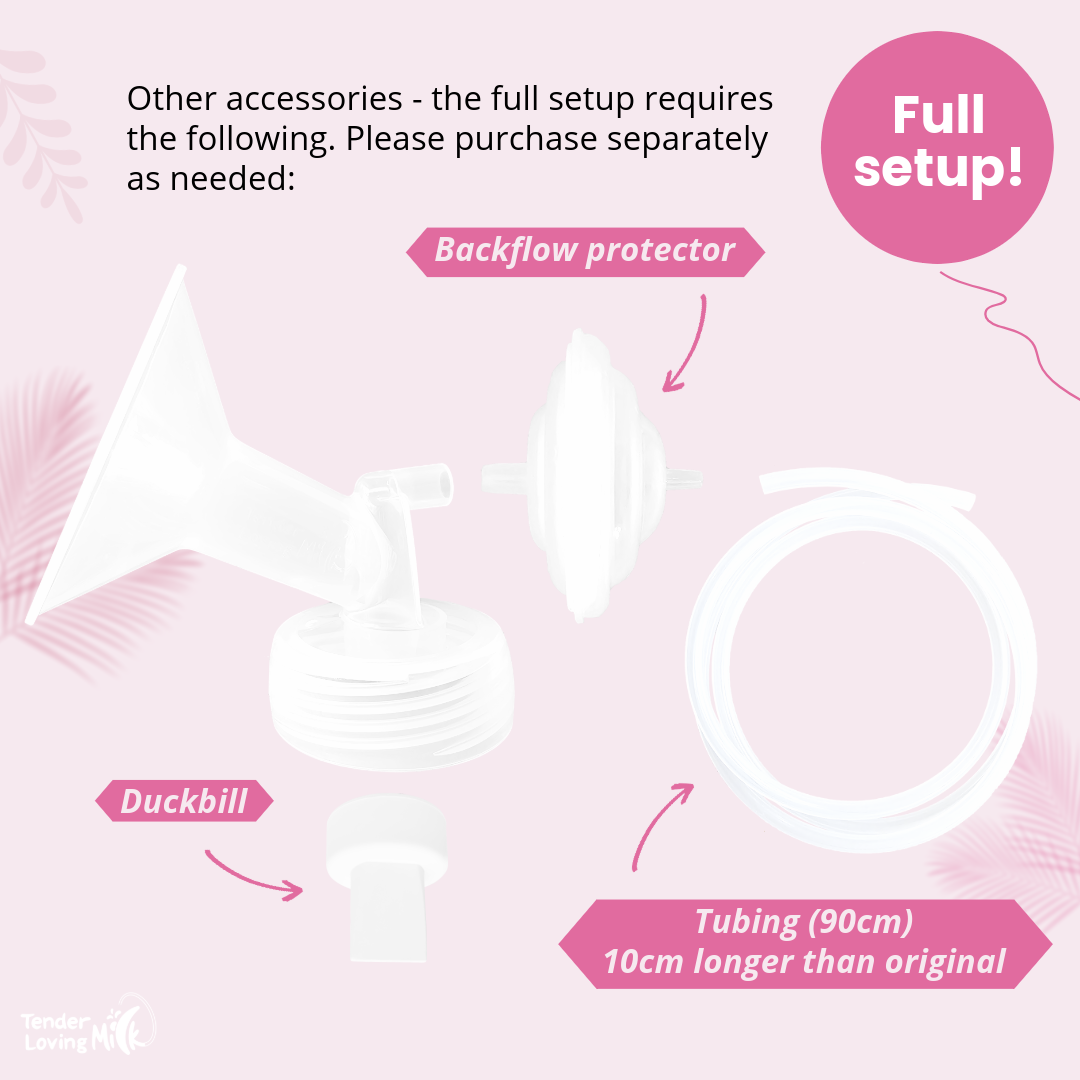
For a full and effective pumping system, you may also require:
👉 Please visit the respective product pages to purchase separately.
Complete Your Pumping Setup
Choosing the right flange is important, but pain, low output, nipple trauma, or ongoing pumping struggles often need individualised assessment, not just a product change.
If you’re unsure about your flange size, experiencing discomfort, or want to optimise your pumping routine, professional support from an International Board Certified Lactation Consultant (IBCLC) can make a meaningful difference.
Need Personalised Pumping Support?

1:1 Pumping Consultation (Dedicated & Individualised)
A 1:1 pumping consultation offers dedicated time and personalised assessment, making it the best option if you have specific concerns or ongoing challenges.
This option is recommended if you:
Are experiencing persistent pain, nipple trauma, or poor milk drainage
Have tried multiple flange sizes without improvement
Are exclusively pumping or pumping frequently
Want a deep, individualised pumping assessment
Are returning to work and need a tailored pumping plan
What makes 1:1 support different:
Extended, uninterrupted time focused solely on you
Detailed nipple and breast assessment
Individualised flange sizing and optimisation
Pump settings, rhythm, and suction troubleshooting
Personalised recommendations based on your goals, body, and lifestyle

Pumping 101 Workshop (Group-Based & Practical)
The Pumping 101 Workshop is a small group session designed to build strong foundations and confidence, especially for mothers who are new to pumping or preparing ahead.
What you can expect in the workshop:
Education on evidence-based flange sizing
Guidance on how to measure your nipple diameter correctly
Opportunity to try a few flange sizes (depending on the pump you bring)
Bring your own pump to check basic fit and comfort
Opportunity to try other pump brands, if you wish, during the session
Best suited for mothers who:
Want to understand pumping before committing to multiple parts
Are preparing to pump at work
Prefer learning in a supportive group environment
Do not currently have complex pain or pumping issues
Not Sure Which Option to Choose?
Choose 1:1 support if you want dedicated time or have ongoing discomfort or complex concerns.
Choose the Pumping 101 Workshop if you want education, hands-on learning, and to explore flange options in a group setting.
Many mothers start with the Pumping 101 Workshop and later book a 1:1 consultation if deeper support is needed.
-
Replace regularly depending on usage:
Exclusive pumpers: every 1–2 months
Moderate use: every 2–4 months
Replace immediately if suction decreases, milk flow slows, or the valve shows signs of wear, such as tears or stiffness.
Regular replacement ensures optimal pump performance and protects your milk supply.
-
Silicone duckbill valves are best sterilised using steam sterilisers, which effectively reduce bacteria while maintaining the integrity and elasticity of the silicone.
UV sterilisers may also be used, but repeated UV exposure can cause silicone to degrade more quickly over time, potentially affecting elasticity and suction performance.
For this reason, if you notice:
Reduced suction
Slower milk flow
Changes in pumping output or efficiency
…it is recommended to replace the duckbill valves, as wear may not always be visually obvious.
💡 This guidance is meant to support safe use and pump performance. Always monitor your pump parts and replace them as needed based on function, not just appearance.
-
No.
Avoid dishwashers and microwaves, as high heat can damage the silicone.
Instead, rinse after use, air-dry completely, and sterilise using a steam or UV steriliser.
Always remove the valve by the base, not the thin tip, to avoid tearing.
-
Signs of wear include:
Reduced suction or slower milk flow
Cracks, tears, or stretched silicone
Valve tip sticking or deforming
Regular inspection ensures your pump functions efficiently and protects your milk supply.
-
These valves are compatible with Spectra S1+, S2+, 9+, M1, Dual S, and Dual Compact models.
❌ They are not compatible with the Spectra Handsfree Collection Cup.
Always check compatibility before use to avoid leakage or reduced suction.