
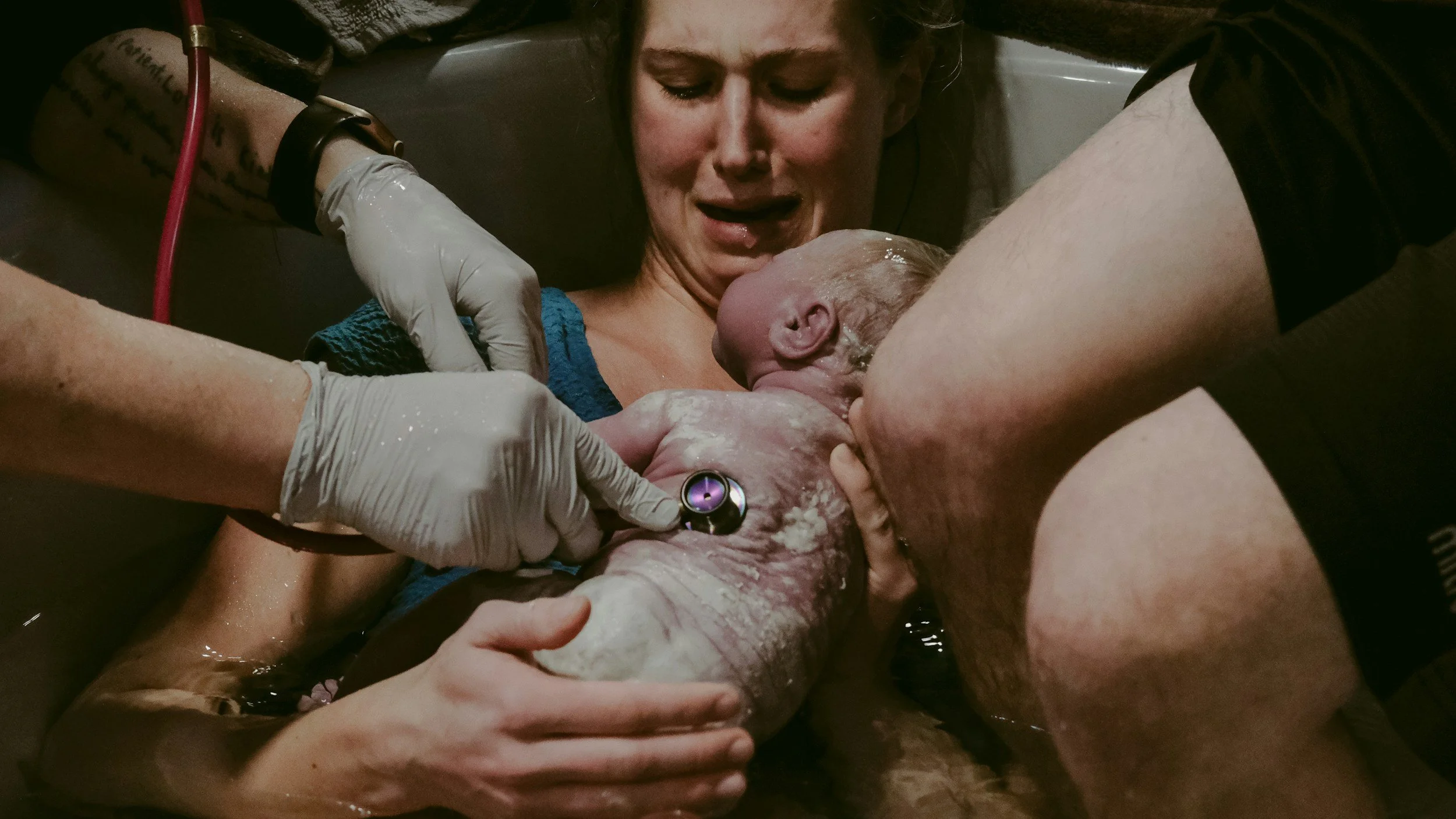
If you've been reading up on skin-to-skin contact ahead of your delivery, you may have already heard your obstetrician, midwife, or lactation consultant mention the "breast crawl." A newly published study - the first of its kind - has just given us solid data on why this matters more than most parents realise.
Published in Early Human Development in June 2026, the study found that babies who "crawled" toward the breast during skin-to-skin contact in their first hour of life were significantly more likely to breastfeed effectively over the next 24 hours. For expecting parents in Singapore planning a vaginal birth, this is one more reason to build uninterrupted skin-to-skin time into your birth plan — and to know what to do if your baby doesn't crawl.
What exactly is the "breast crawl"?
When a healthy newborn is placed prone (tummy-down) on their mother's bare chest immediately after birth and left uninterrupted, they move through a predictable sequence known as Widström's 9 stages, from the first birth cry, through relaxation, waking, activity, and rest, all the way to crawling, familiarisation, suckling, and finally sleep.
The crawling stage is exactly what it sounds like: the newborn pushes, slides, bobs, or "leaps" their way across their mother's chest, intentionally moving toward the breast and nipple. It isn't a random reflex. Researchers now believe it's a deliberate, coordinated behaviour, guided by the scent of amniotic fluid on the mother's skin and the warmth of the breast. Babies who reach this stage go on to nuzzle, lick, and familiarise themselves with the nipple before attempting to latch and suckle on their own.
The new study: what it found
Researchers from the Center for Breastfeeding (Healthy Children Project, USA) and Makerere University (Uganda) filmed 149 mother-baby pairs during the first hour after vaginal birth at a regional hospital in Uganda, then assessed breastfeeding effectiveness within 24 hours using a validated clinical tool (cervical auscultation to confirm swallowing, plus observation of jaw motion).
The key findings:
Only 33.6% of newborns (50 out of 149) achieved the crawling stage during their first hour of skin-to-skin contact, even though every single baby in the study received immediate, continuous, uninterrupted skin-to-skin care.
Babies who crawled were significantly more likely to breastfeed effectively before hospital discharge, showing the correct suck-swallow rhythm and jaw motion associated with efficient milk transfer.
The researchers concluded that the absence of crawling could serve as an early, low-tech clinical signal, a simple way for midwives and lactation staff to identify which mother-baby pairs need extra breastfeeding support before they go home.
In other words, the breast crawl isn't just a sweet birth moment for the photo album. It may be one of the earliest indicators of how breastfeeding is likely to go.
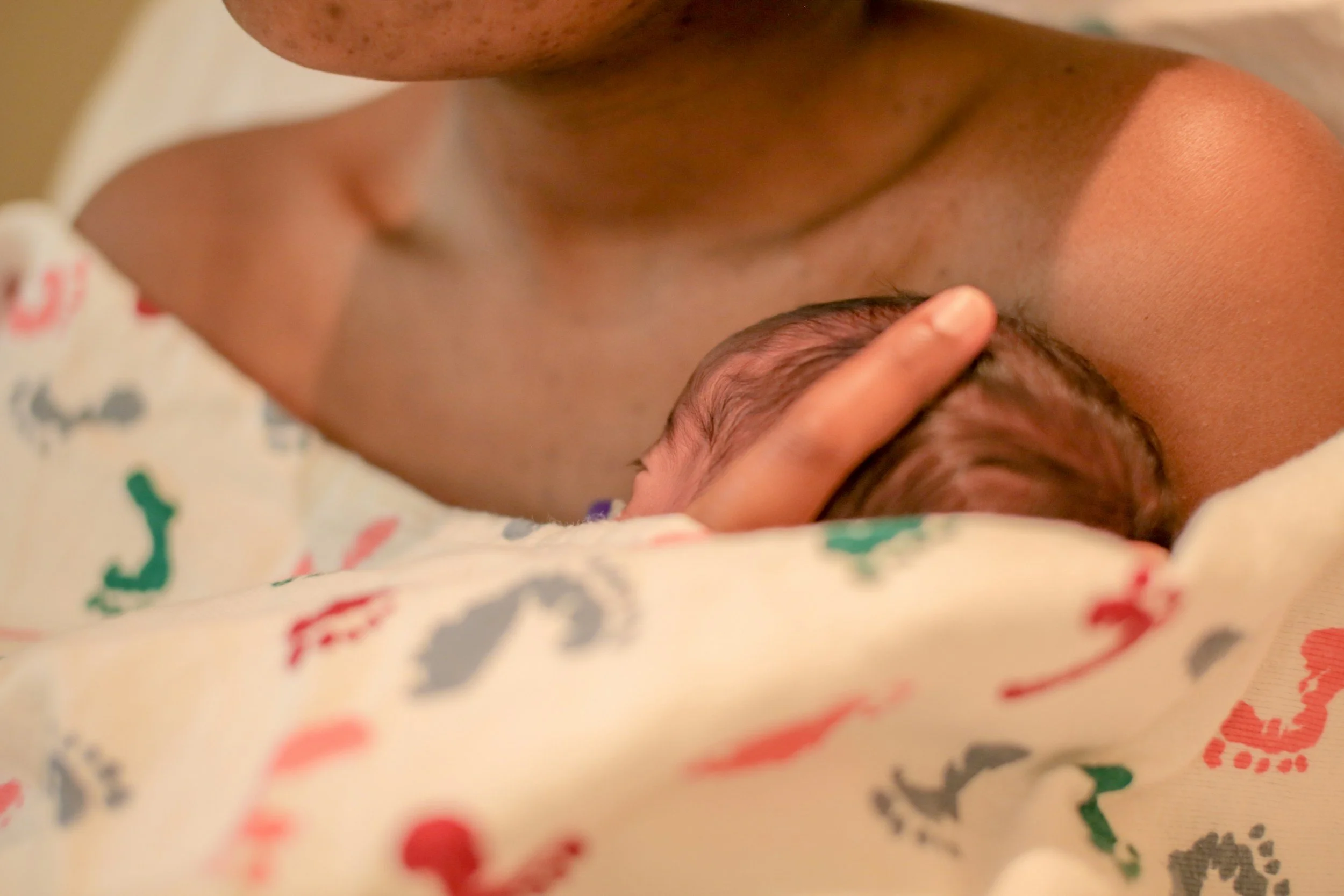
Why this matters for parents giving birth in Singapore
Early and effective breastfeeding has well-documented protective effects, research cited in the study shows that delaying the first breastfeed even by a few hours meaningfully raises the risk of infant illness, and delaying beyond 24 hours is linked to a much higher risk of neonatal mortality globally.
Most Singapore hospitals and birth centres, including public restructured hospitals and private maternity units, now support immediate skin-to-skin contact after uncomplicated vaginal births as standard practice. But "supported" doesn't always mean "uninterrupted." Weighing, cleaning, footprinting, visitor photos, and routine checks can all cut skin-to-skin time short before a baby reaches the crawling stage, which the original research (across other studies) shows can take anywhere from 18 to 54 minutes to begin.
If you're drawing up a birth plan for a Singapore hospital birth, it's worth explicitly requesting:
Immediate, prone, skin-to-skin contact right after birth (not just a quick cuddle before baby is taken for routine care)
Delaying non-urgent procedures (weighing, bathing, vitamin K, eye ointment) for at least the first hour, where medically appropriate
Minimising interruptions from staff, photos, or visitors during that first hour
Support from a lactation consultant (IBCLC) or trained midwife if your baby doesn't seem to be moving toward the breast on their own
What if your baby doesn't crawl?
Nearly two-thirds of the babies in this study didn't reach the crawling stage in the first hour, and that's an important, reassuring point. For my third child, my baby did the breast crawl but only start latching when it was around the 2nd hour mark. Not crawling doesn't mean something is "wrong," and it certainly doesn't mean breastfeeding will fail. Plenty of factors can shorten or interrupt the process, including labour medications, a longer or more medicalised birth, or simply individual variation.
What the study suggests is that these babies benefit from priority breastfeeding support in the first 24 hours, exactly the kind of hands-on positioning, latch, and feeding-cue coaching a good lactation consultant (IBCLC) provides. This is precisely why prenatal preparation matters so much: knowing what effective (versus ineffective) feeding looks like before you're in the hospital room means you and your care team can catch and correct issues early, rather than leaving with unanswered questions.

Eliza Koo, International Board Certified Lactation Consultant (IBCLC), Tender Loving Milk, Singapore, teaching her prenatal Breastfeeding Essentials Class
Prepare for the breast crawl — and everything after it
Understanding the breast crawl is one small but powerful piece of a much bigger picture: knowing what your body and your baby are capable of in that first hour, and knowing exactly what to do if things don't go according to script.
That's exactly what we cover in my Breastfeeding Essentials Class here in Singapore. Alongside hands-on latch techniques, milk supply, engorgement, pumping, and flange sizing, I walk parents through the first-hour skin-to-skin process — including the breast crawl — so you know what to expect, what to ask your birth team for, and how to advocate for uninterrupted bonding time in the delivery room.
👉 Sign up for the Breastfeeding Essentials Class and walk into your birth feeling confident, informed, and ready, not just to breastfeed, but to give your baby every chance to lead the way.
FAQs
What is the "breast crawl"? It's the stage in a newborn's instinctive after-birth behaviour (Widström's 9 stages) in which, when placed skin-to-skin on their mother's chest, the baby moves intentionally toward the breast to find the nipple and begin feeding.
Do all babies breast crawl after birth? No. Research shows the rate varies widely, from around 15% to over 90%, depending on the study population, and a 2026 study found just under 34% of newborns reached the crawling stage within the first hour, even with full, uninterrupted skin-to-skin contact.
Does my baby need to crawl to breastfeed successfully? Not at all. Crawling is associated with a higher likelihood of effective early feeding, but babies who don't crawl can absolutely breastfeed well with the right support and positioning, which is exactly what priority lactation assistance in the first 24 hours is for.
How long should skin-to-skin contact last after birth? Global health guidelines (WHO/UNICEF) recommend immediate, continuous, uninterrupted skin-to-skin contact for at least the first hour after an uncomplicated birth, which gives babies the best chance to move through all of Widström's stages, including crawling and suckling.
Source: Cadwell, K., Blair, A., Mbalinda, S.N., & Brimdyr, K. (2026). Infants who crawl while skin-to-skin in the first hour after birth are more likely to effectively breastfeed postpartum. Early Human Development. https://doi.org/10.1016/j.earlhumdev.2026.106613